
Fort Sylvia Kapit: Where a River Fort Became a Shared History
-
When Kapit enters a Sarawak itinerary, I would resist treating Fort Sylvia as a box to tick between the wharf and the next boat. Start by the Rajang: the river explains why this timber building belongs here, and why a short town walk is part of the visit.
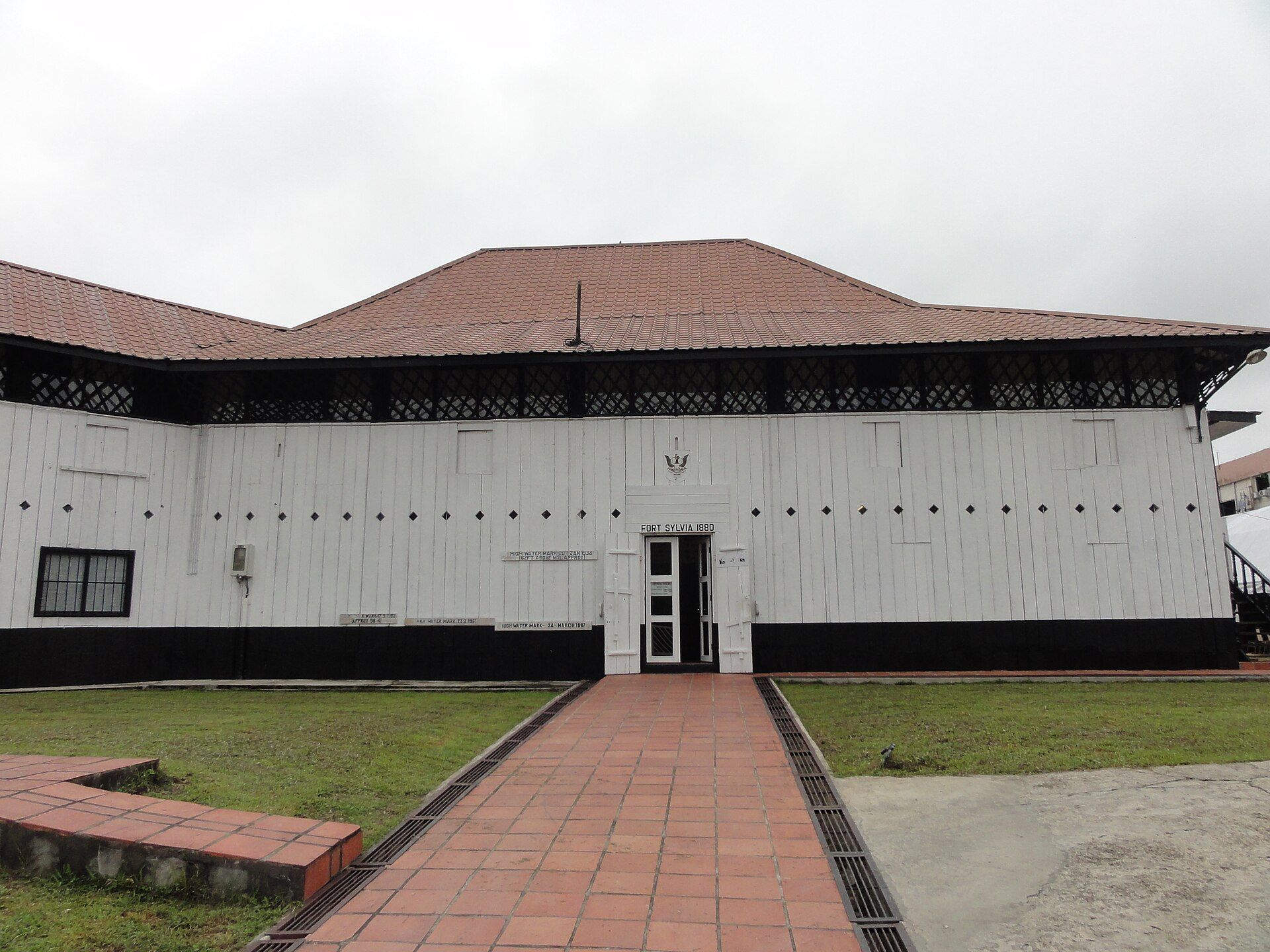
 Source: Wikimedia Commons — File:Ft Sylvia 1880 - panoramio.jpg
The fort began as Kapit Fort in 1880, after the earlier Baleh Fort was abandoned. Its thick belian timber walls were built for a difficult upriver frontier, so the first detail worth noticing is not a decorative facade but the material and the position. On 16 November 1924, Iban, Kayan, Kenyah and Kajang leaders joined a peace-making ceremony here; in 1925 the building took the name Fort Sylvia after Rani Sylvia Brooke. Those two dates turn the fort from a colonial-looking object into a place where several communities' political histories meet.
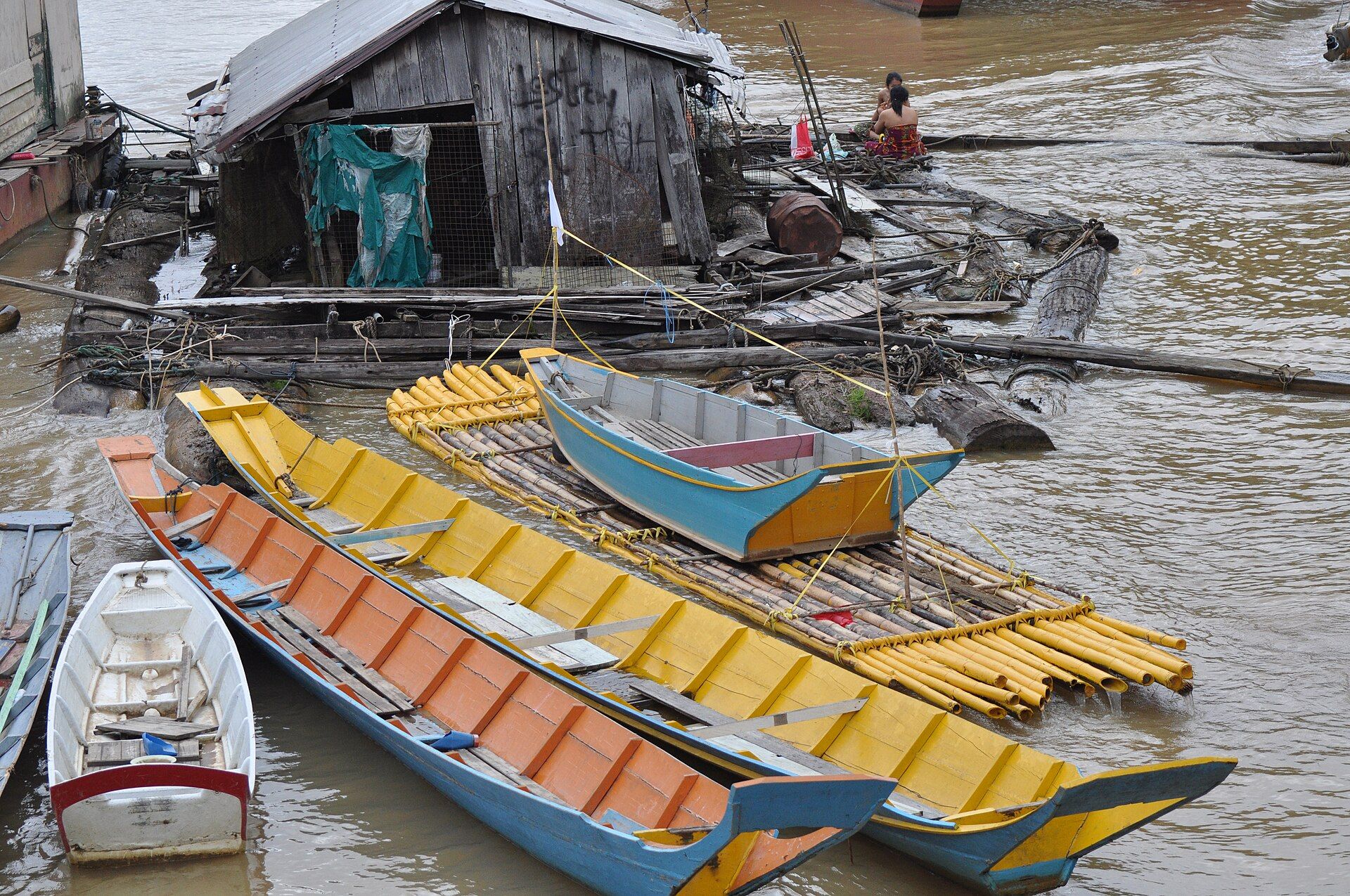
Source: Wikimedia Commons — File:Kapit Wharf - panoramio.jpgI would then walk back towards the riverfront with the fort's later life in mind. During the 1960s it housed the District Office and District Court House, and after Kapit Division was formed in 1973 it became the Resident's Office. Defence, law and administration occupied the same raised structure at different moments; that repeated change is something visitors can read from the building rather than from a generic heritage plaque.
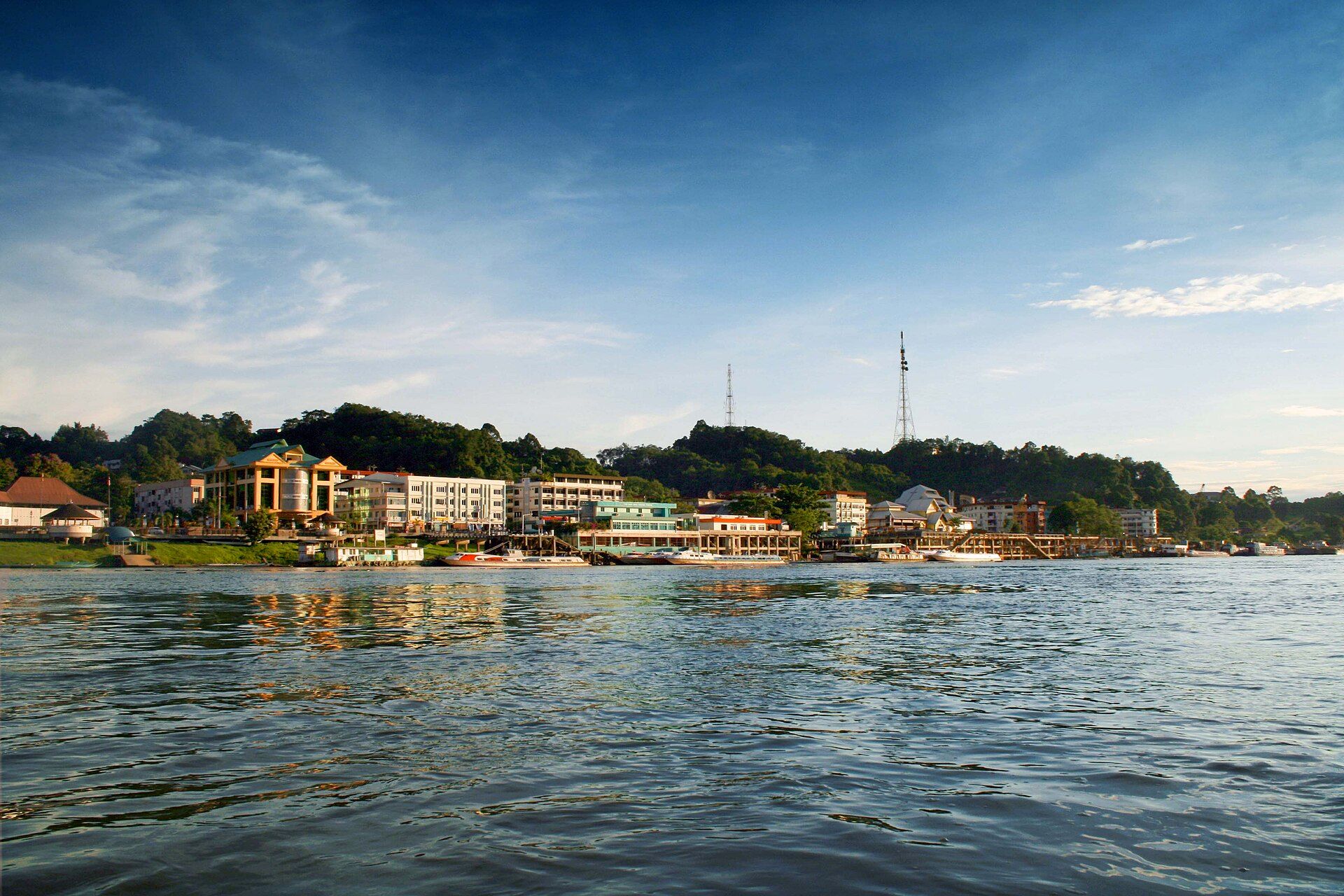
Source: Wikimedia Commons — File:Kapit skyline.jpgInside, leave time for the Community Wall of Fame, the Tun Jugah Gallery, Iban costumes and textiles, the Iban-world mural and the amber display. The museum was placed under the Tun Jugah Foundation in 1997 and conservation was completed in 1998, which is why the building now works as a cultural memory space instead of sitting as an empty fort. The exhibits bring the story back to local leaders, weaving and material culture.

Source: Wikimedia Commons — File:Kapit banner.jpgI would allow about 45–90 minutes for the fort and museum, then add a slow wharf-and-town walk. This is worth the upriver detour for travellers who enjoy river towns, community history and timber architecture with visible layers; it may disappoint anyone expecting a large interactive museum or a full-day attraction inside one building. Kapit itself needs a proper transport plan, so check the current boat or flight timetable before leaving Sibu or Kuching. The operator's public page does not give one dependable daily timetable; call 082-239 672 before the journey, especially around holidays, and dress respectfully for a museum holding community and ceremonial history.
Google Maps: Fort Sylvia Kapit
Would you give Kapit a full day for the river and fort, or save it for a longer Rajang itinerary?
Hello! It looks like you're interested in this conversation, but you don't have an account yet.
Getting fed up of having to scroll through the same posts each visit? When you register for an account, you'll always come back to exactly where you were before, and choose to be notified of new replies (either via email, or push notification). You'll also be able to save bookmarks and upvote posts to show your appreciation to other community members.
With your input, this post could be even better 💗
Register Login